
What to Expect During a Professional Metal Roof Installation
People searching for metal roof installation are typically looking to understand the process, and local contractors can expertly handle the job to ensure quality results.
Property owners considering a professional metal roof installation often want to understand what the process entails and what to expect throughout each stage. Knowing the typical steps involved can help ease any concerns and ensure a smoother experience. Local contractors who specialize in metal roofing are well-versed in these procedures and can guide property owners through the process, from initial preparation to the final touches. Whether it’s discussing how the existing roof is handled or what materials are used, understanding these practical details can make the decision-making easier and more informed.
Exploring what happens during a metal roof installation can also highlight the benefits of choosing experienced local service providers. These professionals prioritize quality workmanship and efficiency, helping property owners protect their investments and improve their property's durability. As you continue reading, you'll discover valuable insights into the installation process and how local contractors can help ensure the job is done right, giving peace of mind and confidence in the results.
- Metal roof replacement - when a roof has reached the end of its lifespan and needs a complete upgrade, with local contractors handling removal and installation efficiently.
- New metal roof installation - for homeowners building new structures or adding roofing to existing buildings, with service providers ensuring proper fit and weatherproofing.
- Metal roof repair - when existing metal roofs show signs of damage or wear, with local pros diagnosing issues and performing necessary repairs to restore integrity.
- Metal roof upgrades - for those looking to improve energy efficiency or durability, with service providers advising on suitable materials and installation techniques.
- Metal roof maintenance services - to keep metal roofing systems in optimal condition, with local contractors providing inspections and preventative care.
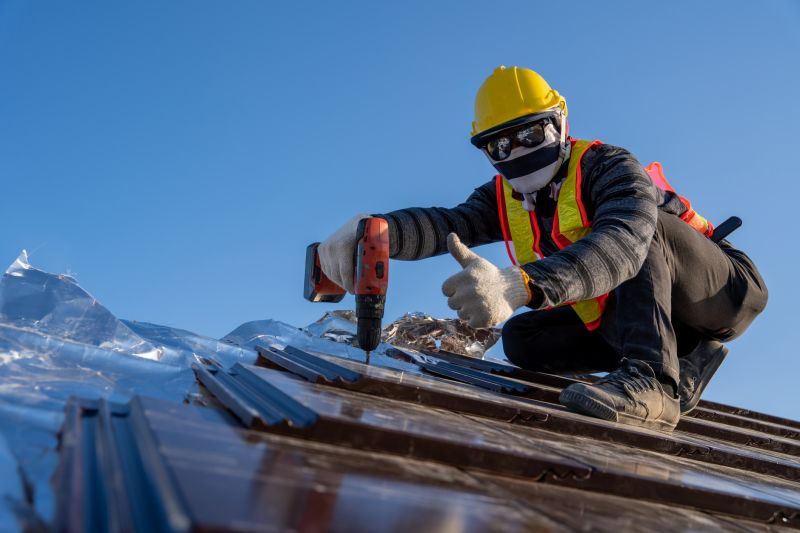
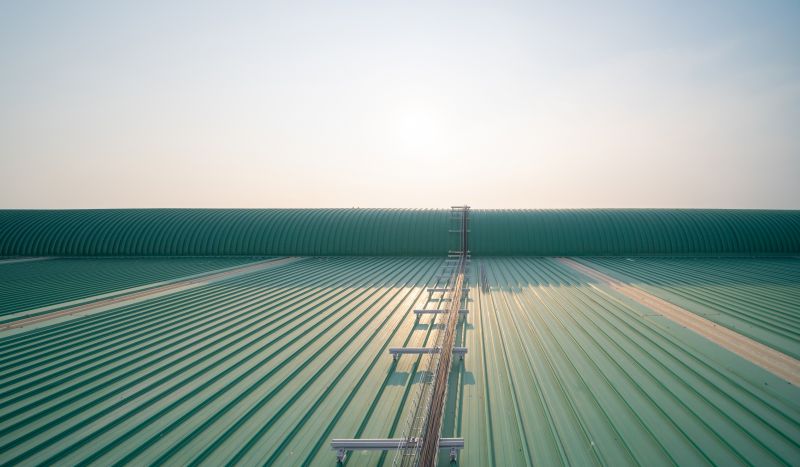
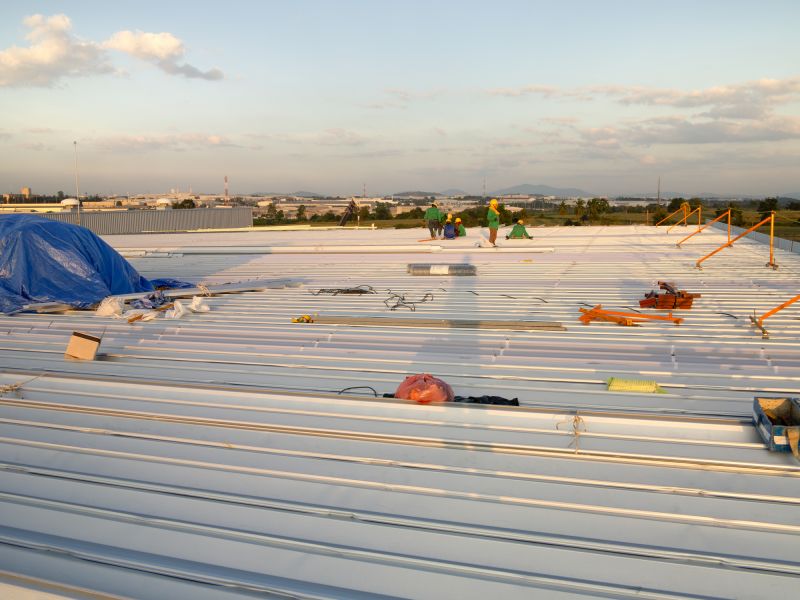
When homeowners search for what to expect during a professional metal roof installation, they are often trying to understand the overall process involved in upgrading or replacing their existing roof with a metal system. This topic relates to projects aimed at improving roof durability, enhancing curb appeal, or addressing issues like leaks and damage. Many property owners are considering metal roofing for residential homes, especially those with steep or complex roof shapes, but it also applies to commercial buildings, multi-family units, and other property types. Understanding what happens during installation helps homeowners feel more prepared and confident when working with local contractors.
The process typically begins with a thorough assessment of the existing roof and the property’s specific needs. Homeowners can expect the installation to involve careful planning to ensure the new metal panels fit properly and are securely anchored. Local service providers usually prepare the site by removing old roofing materials and inspecting the underlying structure for any repairs needed before the new roof can be installed. This phase is essential to prevent future problems and to ensure the longevity of the new metal roof. During installation, contractors work systematically to install underlayment, panels, and flashing, all while managing debris and protecting surrounding areas.
Property types that often come up in discussions about metal roof installations include single-family homes, multi-story residential buildings, and commercial properties such as warehouses or retail spaces. These properties may have varying roof designs, from simple gable shapes to complex, multi-plane structures. The size and shape of the roof influence the installation process, with larger or more intricate layouts requiring additional planning and coordination. Local pros are experienced in handling these different property types, ensuring that the installation process is tailored to each project’s unique features and challenges.
Throughout the installation, homeowners can expect a focus on efficiency and quality craftsmanship. While the specific steps may vary depending on the project’s scope, the overall process involves careful measurement, precise placement of panels, and attention to weather conditions to prevent delays. Local contractors often communicate clearly about what to expect during the work, including how long the project might take and what kind of disruptions might occur. Understanding these details helps property owners stay informed and prepared, making the transition to a new metal roof as smooth as possible.
Commercial roofing projects - these involve large-scale roofing systems that require precise planning and specialized tools, similar to the skills needed for metal roof installation.
Roof repair and patching - repairing existing roofing structures shares techniques with installing new metal roofs, including working at heights and handling roofing materials.
Metal siding installation - installing metal siding involves similar planning and fastening techniques as metal roof installation, making it a related service for local contractors.
Gutter and drainage system setup - these projects require understanding of roofing layouts and precise attachment methods, paralleling the skills used during metal roof installation.
Skylight and vent installation - integrating skylights or vents into roofing systems involves careful planning and sealing, akin to the installation process for metal roofs.
Roof insulation and underlayment services - preparing roofing surfaces with proper insulation and underlayment is a foundational step that overlaps with the initial phases of metal roof installation.
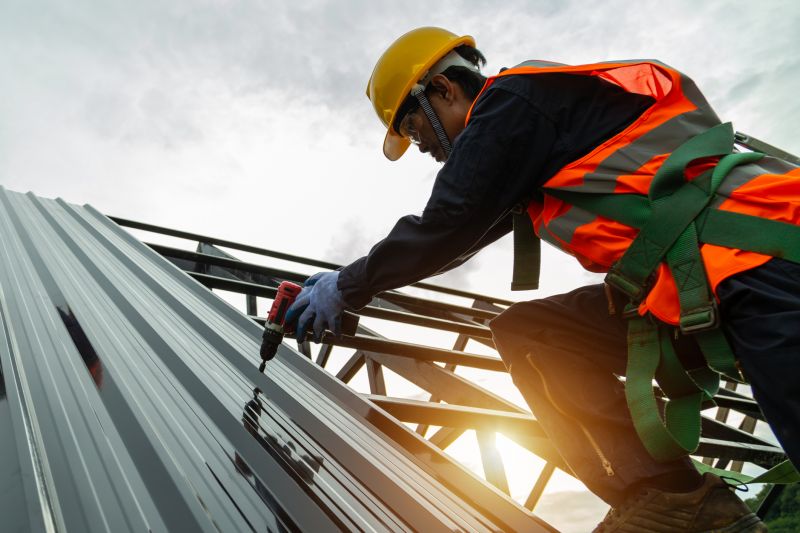
When comparing service providers for a metal roof installation, it’s important to consider their experience with similar projects. Homeowners should look for local contractors who have a proven track record of successfully completing metal roof installations on properties comparable to their own. An experienced professional will be familiar with the specific requirements and challenges of metal roofing, ensuring that the project proceeds smoothly and meets quality standards. Asking about past work or requesting references for similar projects can provide insight into a contractor’s familiarity with the process and their ability to deliver satisfactory results.
Clear, written expectations are essential when evaluating potential service providers. Homeowners should seek detailed proposals that outline the scope of work, materials to be used, and the steps involved in the installation process. This documentation helps set realistic expectations and reduces misunderstandings. Reputable local contractors are typically transparent about their procedures and willing to provide comprehensive information about what to expect during a professional metal roof installation. Having a well-defined plan also makes it easier to compare different providers and ensure that all aspects of the project are understood before work begins.
Good communication and reputable references are key indicators of a reliable service provider. Homeowners should look for local contractors who are responsive, willing to answer questions, and provide clear explanations throughout the process. Additionally, seeking references or reviews from previous clients can help gauge the contractor’s professionalism and the quality of their work. A contractor with positive feedback and a reputation for maintaining open lines of communication is more likely to manage the project effectively and keep homeowners informed at every stage. This level of transparency and responsiveness can contribute significantly to a smooth and predictable installation experience.
Property owners often search for what to expect during a professional metal roof installation when they are planning practical projects around their homes and businesses. Local pros provide Metal Roof Installation services for everyday jobs and straightforward project options.

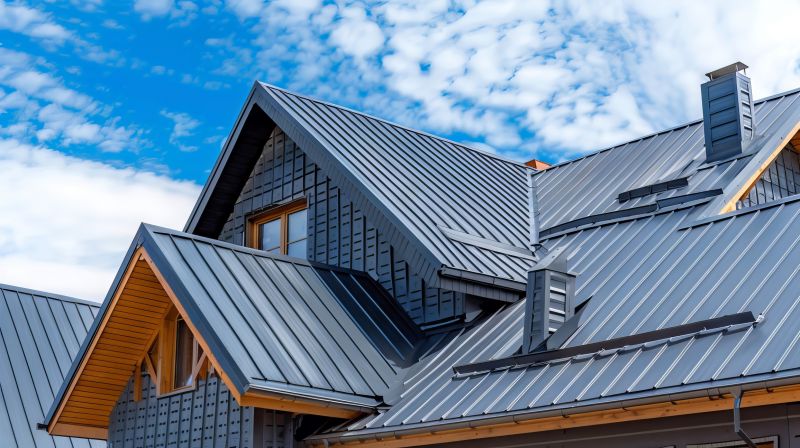
During a professional metal roof installation, property owners can generally expect a series of coordinated steps that ensure the project progresses smoothly. Once scheduled, local contractors typically arrive prepared with the necessary tools and materials, and the existing roofing may be carefully removed or prepared for the new metal panels. Throughout the process, homeowners or property managers might notice workers working efficiently on the roof, often taking measures to protect surrounding areas from debris. Clear communication about the progress and any adjustments needed is common, helping to keep everyone informed and comfortable with how the installation is unfolding.
Many property owners seek out metal roof installation services to improve durability and enhance the appearance of their buildings. During the installation, local service providers often take steps to ensure the new roof is properly aligned and securely fastened, which contributes to its longevity. The process can involve temporary disruptions, such as noise or limited access to certain areas, but these are usually brief and managed by the contractors. Understanding what to expect during a professional metal roof installation can help property owners feel more prepared for the project and confident in the expertise of local contractors handling the work.
What is the typical process during a professional metal roof installation? During a metal roof installation, local contractors typically prepare the existing roof, ensure proper measurements, and then carefully install the new metal panels, taking steps to secure and seal the system properly.
How do local service providers handle the preparation before installing a metal roof? Local pros usually inspect the existing roof, remove any old materials if necessary, and set up safety measures and proper underlayment to ensure a solid foundation for the new metal roofing system.
What should I expect in terms of work area during the installation? The work area may be temporarily restricted for safety reasons, with equipment and materials organized to facilitate efficient installation while minimizing disruption to the property.
Are there specific steps taken to ensure the durability of the metal roof during installation? Yes, local contractors typically use appropriate fasteners, sealants, and underlayment materials to enhance the roof's durability and weather resistance during installation.
What are the final stages of a professional metal roof installation? The installation usually concludes with inspections for quality control, cleaning up the work site, and reviewing the completed roof to ensure it meets the expected standards of installation quality.
Preparation and Site Setup - Property owners can ensure the installation area is clear of obstacles and debris to facilitate smooth access for local contractors. Proper preparation helps minimize delays and supports a safer working environment during the project.
Material Selection and Planning - Discussing roofing styles, colors, and materials with local service providers allows property owners to make informed decisions that match their property's aesthetic and functional needs. Planning ahead ensures the chosen materials are suitable for the installation process.
Understanding the Installation Process - Knowing what steps are involved, such as removing old roofing and installing underlayment, helps property owners set realistic expectations for the project. Local contractors can guide property owners through each phase for clarity and peace of mind.
Post-Installation Inspection and Cleanup - After installation, a thorough inspection by local pros ensures everything is correctly installed and functioning properly, while cleanup efforts leave the property tidy and ready for use. Property owners can plan for a final walkthrough to review the completed work.
If you are thinking about what to expect during a professional metal roof installation for a property, this guide is meant to help you understand this topic, the typical project types, and how different options might fit your plans.
When you are ready, you can use the quote form on this page to share a few details about your project. From there, local pros can review the basics and follow up with options that match what you have in mind.


